Forgiveness: The Hardest, Holiest Work
The Command That Frees the Soul

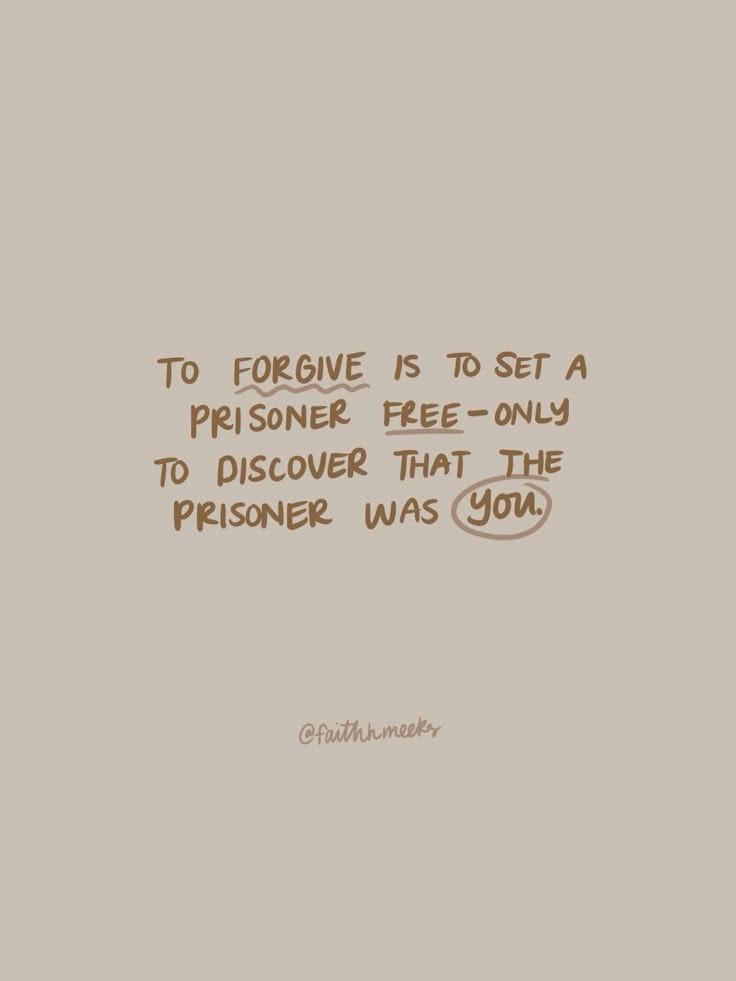
Forgiveness.
The very word makes my chest tighten. Not the soft, polite forgiveness that comes when someone accidentally steps on your foot and says “sorry,” but the gut-wrenching, soul-aching kind. The kind that asks you to release people who should have loved you better, who mocked you, who betrayed your trust, who walked away when you needed them most, and those who abandon you again and again.
Lately, I’ve been face-to-face with this reality. Life has a way of piling on: grief, betrayal, rejection, people talking, people leaving. It all makes forgiveness feel less like a holy act and more like tearing skin.
Before my mum died, she spoke often about forgiveness. God was working on her heart. That showed me just how important it is for us as Christians. Do we really want the person who hurt us to stand in the way of our Heavenly Father forgiving us? The truth is, we are commanded to forgive if we want to truly follow Christ and enter the Kingdom of God:
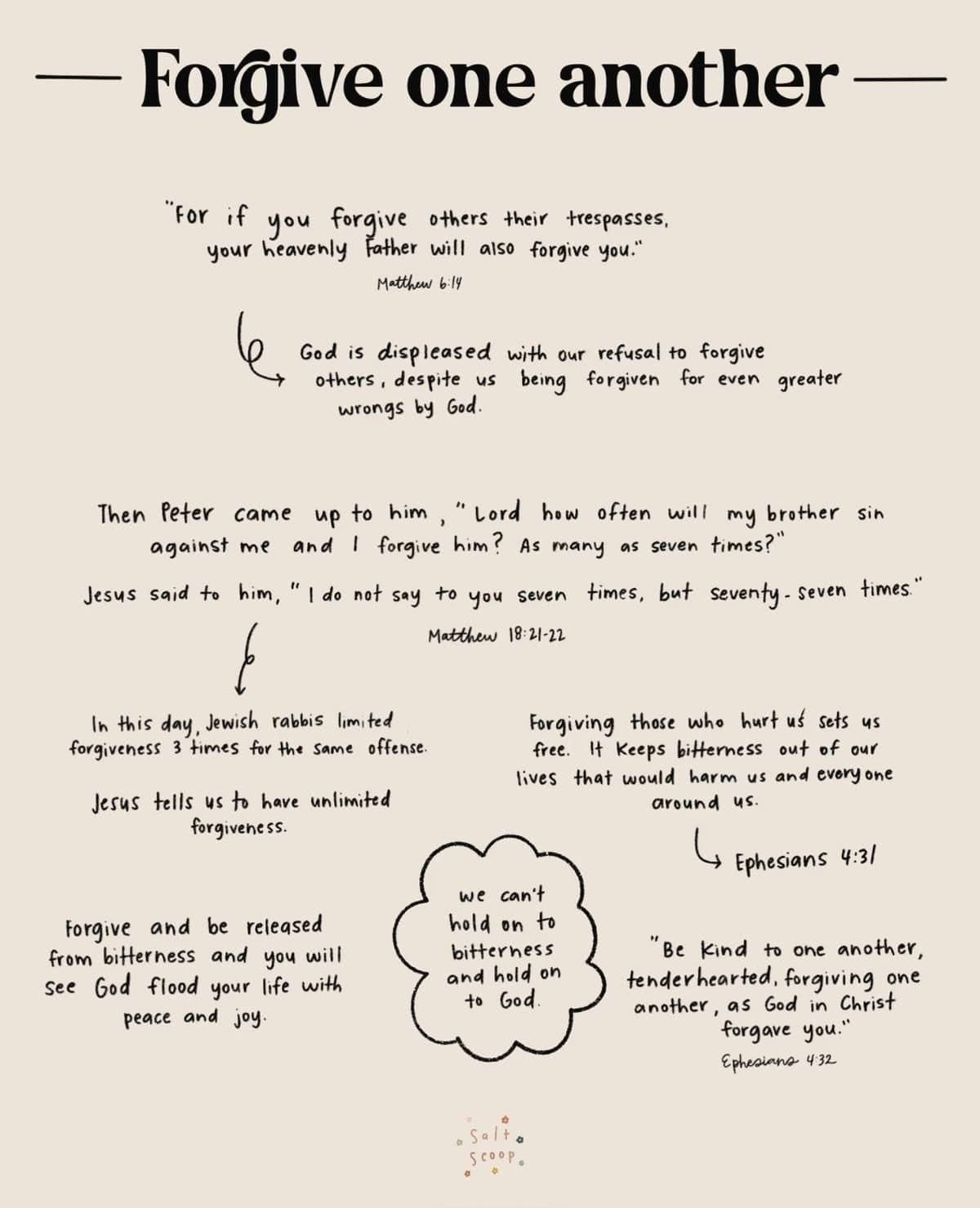
“For if you forgive other people when they sin against you, your heavenly Father will also forgive you. But if you do not forgive others their sins, your Father will not forgive your sins.” (Matthew 6:14–15)
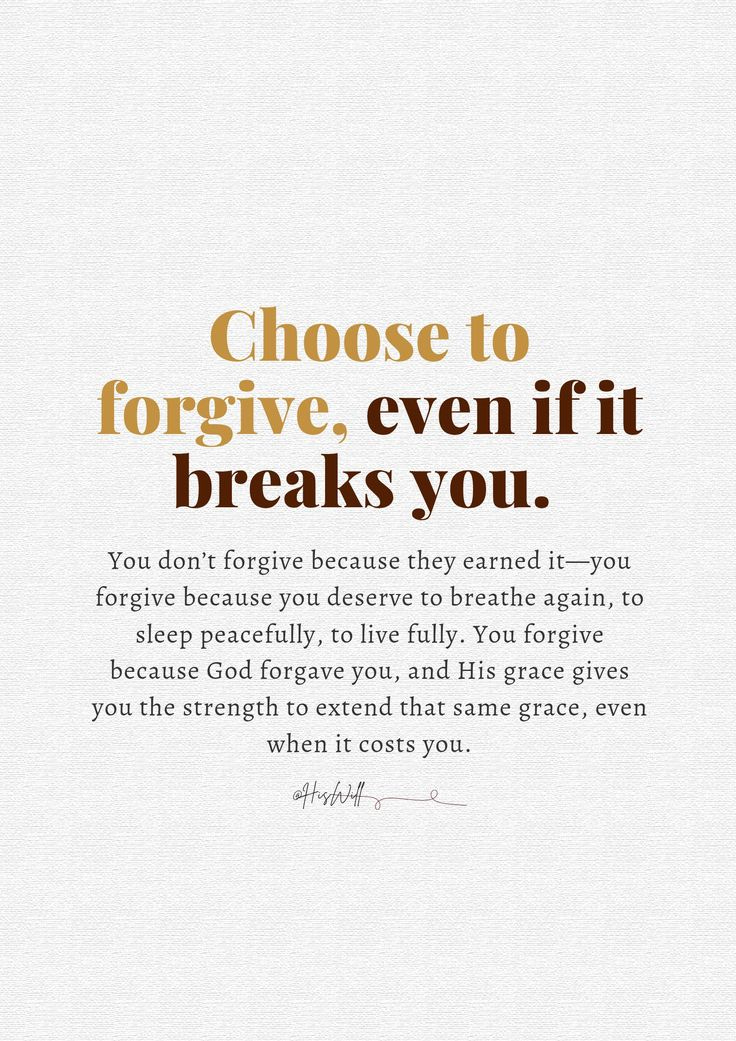
What Forgiveness Is (and Isn’t)
Forgiveness is not pretending the hurt didn’t happen.
It is not weakness.
It is not saying, “It’s fine, let’s go back to how things were.”
Forgiveness doesn’t mean reconciliation. It doesn’t mean putting yourself back into a place of harm.
Jesus treated Judas with as much care as He did the other disciples. But Judas was not restored and sent out into the world to carry God’s mission like the others. Judas’s place in Jesus’ life ended after that level of betrayal, and the consequences of his actions fell on him. That shows us that not every betrayal requires reconnection.
There’s a saying: “Know your Peter from your Judas.” Peter denied Jesus three times, but Jesus forgave him, restored him, and they continued their walk together. Judas, however, betrayed Him and faced eternal consequences. Not every hurt requires a reunion.
Forgiveness is laying down the weapon you have every right to swing. It is placing justice in God’s hands and choosing freedom instead of bitterness.
The Bible puts it plainly: “Vengeance is mine, I will repay, says the Lord.” (Romans 12:19).
God is above it all. He sees and knows everything. His judgment is just. So why not let our Father in heaven protect and defend us? Especially because, if we’re honest, we’ve hurt people too. Wouldn’t we want God to deal with us fairly?
Every person you meet is a child of God. Some are prodigals, some are in rebellion, and some may go too far to return, but it is God who decides that. Their punishment or redemption is in His hands, not ours.
The Weight of Unforgiveness
Bitterness feels powerful in the moment. It feels like control. But the truth is, it corrodes you more than it punishes anyone else.
I know the heaviness of holding onto anger, the way it lingers in your body, the way it makes joy impossible. We’ve all heard it: carrying unforgiveness is like drinking poison and waiting for the other person to die.
Meanwhile, they often seem to carry on with life, unaffected. But if we believe in God and His Word, we know justice will come in His timing. In the meantime, unforgiveness becomes a wedge between us and God’s gifts: peace, love, mercy, grace, favor, joy, and the fruit of the Spirit (Galatians 5:22–23).
Jesus warned us: “But if you do not forgive others their trespasses, neither will your Father forgive your trespasses.” (Matthew 6:15). That is spiritual danger. Unforgiveness is a locked door God wants to open in our lives.
And yet, I am reminded of this: my own forgiveness was purchased at the cross. Grace was never mine to hoard.
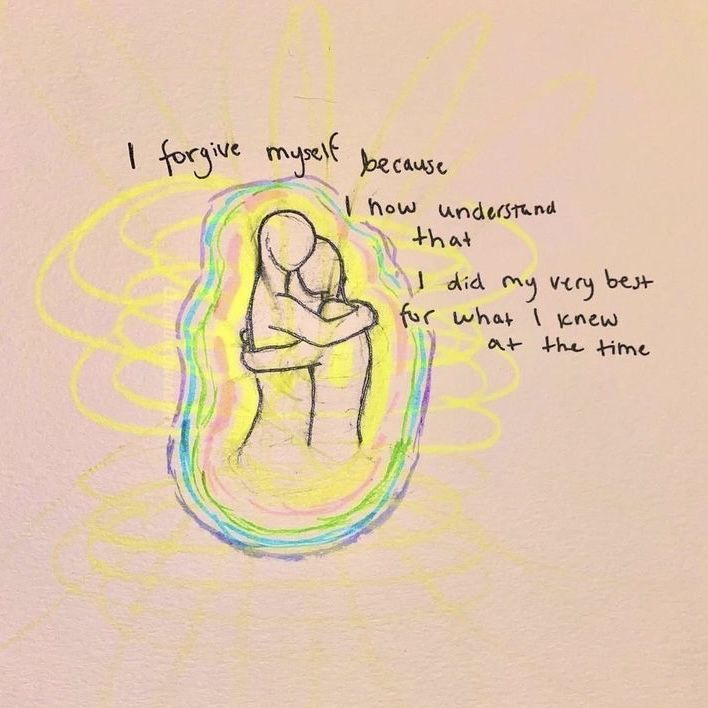
Forgiveness also applies to ourselves. Recently, I had a major slip in my walk with God. I was tested and failed. I am human. God is ready to forgive, and repentance is always available, but I had to forgive myself. I must accept God’s grace and not shame myself. I must speak God’s love over my life instead of condemning myself for my mistakes.
Forgiving ourselves is part of the hard, holy work too, acknowledging our shortcomings, thoughtless words, and un-Christlike actions, while still choosing to grow. I am His daughter. And in order to love Him, I must also love me, His creation. I do this with the understanding that I will never be perfect as God is. When Jesus said, ‘Be perfect, therefore, as your heavenly Father is perfect’ (Matthew 5:48), He was calling His disciples not to flawlessness, but to maturity, wholeness, and goodness of character. Paul reminds us that, ‘He who began a good work in you will carry it on to completion until the day of Christ Jesus’ (Philippians 1:6). So I strive on, trusting that God is shaping me daily, even through my failures.

The Practice of Forgiveness
Forgiveness is not a feeling; it’s a practice. Some days, it feels impossible. But here’s what I’ve learned:
Acknowledge the wound. Don’t downplay it. Name the hurt. It’s okay to feel angry and human. Just don’t let bitterness become your identity.
Pray it out. My prayer often sounds like: “God, I don’t have the strength to forgive. But I trust You with this. Soften my heart. Teach me to love like You. Give me the mind of Christ.”
Pray for your enemies. Hard, yes. Sometimes I can pray for certain people who hurt me (ex-lovers, ex-friends). But for the Judases, the users, mockers, bullies, it feels almost impossible. Still, I’ve seen the power of praying for those who wronged me. Jesus commanded it: “Love your enemies and pray for those who persecute you.” (Matthew 5:44).
Release daily. Forgiveness is not once-and-done. Some wounds run deep, and you must lay them at God’s feet again and again. But remember: Joseph forgave his brothers for selling him into slavery (Genesis 50:20). Jacob reconciled with Esau. Jesus forgave Peter. God shows us that forgiveness is possible even in the deepest wounds.
Keep holy boundaries. You can forgive someone and still walk away. Grace does not demand access. Sometimes love looks like forgiving from afar.
Why It Matters
Because forgiveness is freedom.
It frees me from carrying the weight of what was done to me. It frees me to step into peace, joy, healing, and yes, God’s justice, in His way, not mine.
And most of all, forgiveness keeps me tethered to the heart of God.
Unforgiveness is dangerous to your soul. If you carry it, your “ticket” to heaven through Jesus Christ is invalidated by the fine print: “If you do not forgive others, your Father will not forgive you.” (Matthew 6:15).
Jesus Himself warned: “Then I will tell them plainly, ‘I never knew you. Away from me, you evildoers!’” (Matthew 7:23). The narrow gate is not for the unforgiving. The path Jesus laid before us, with His blood, sacrifice, and grace, requires us to walk in His way.
We are all sinners. Like Paul, I want to do good and still fall short (Romans 7:19). Like David, I deeply love God but sometimes fail Him greatly. The point is not to stay down. Scripture says: “For though the righteous fall seven times, they rise again.” (Proverbs 24:16).
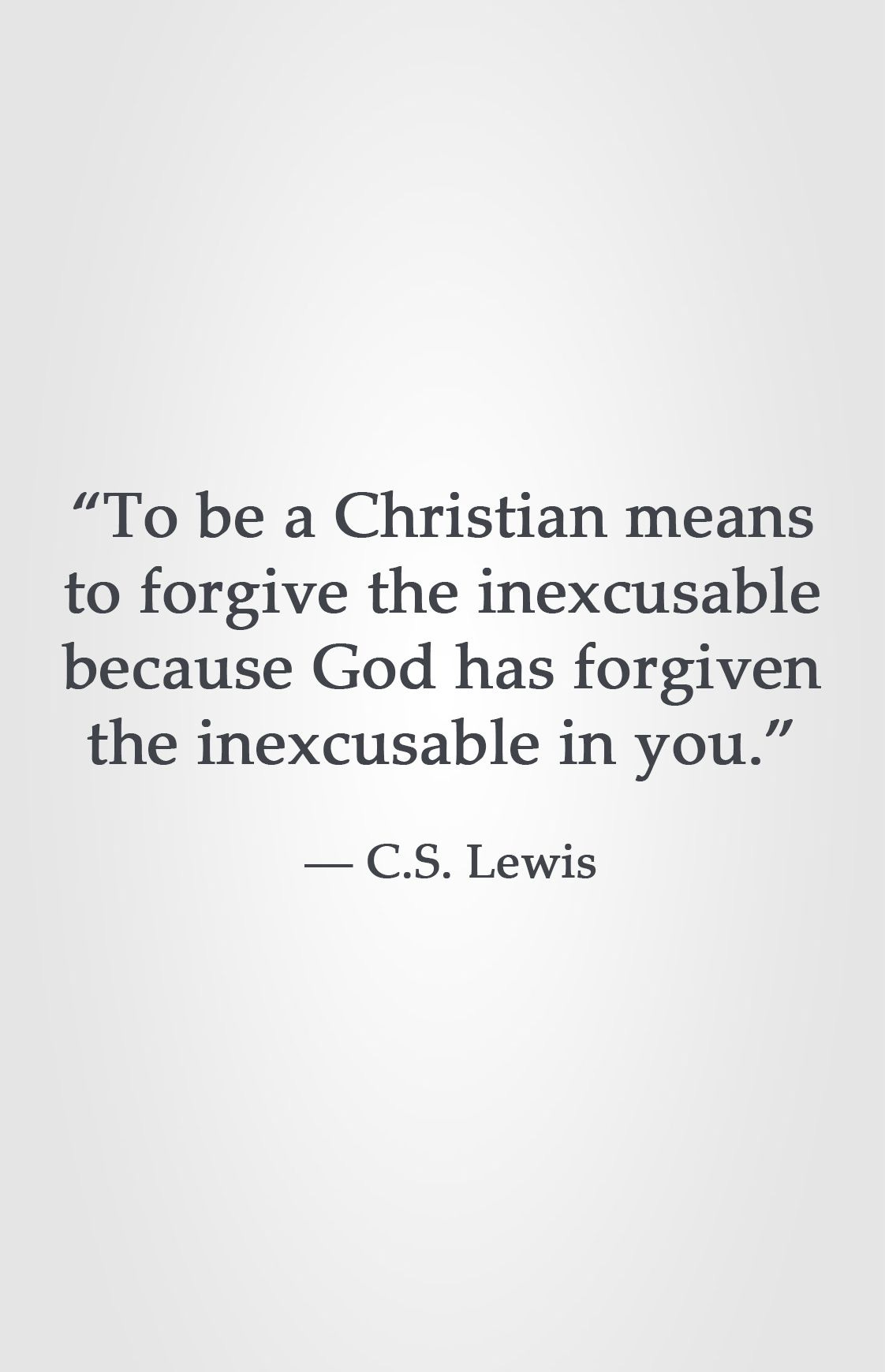
Forgiveness is part of that rising. It is the holy circle of grace. If I expect grace, I must give grace.
I’m learning that forgiveness is not weakness, it is strength.
It is laying down the knife you could wield and choosing to heal instead.
It is choosing to be free.
And maybe, just maybe, it is the most radical act of love we’ll ever do.
Author’s Note : Some of my reflections — aka musings — may include faith-based perspectives because I’m someone who believes in God and often processes life through that lens. That said, I write for all readers, and I welcome you to take what resonates (faith-rooted or not) and leave the rest.
I’m always grateful to share a piece of my inner world with you — thank you for reading my words.
© COPYRIGHT 2025 Micaela Jordan, All Rights Reserved.